
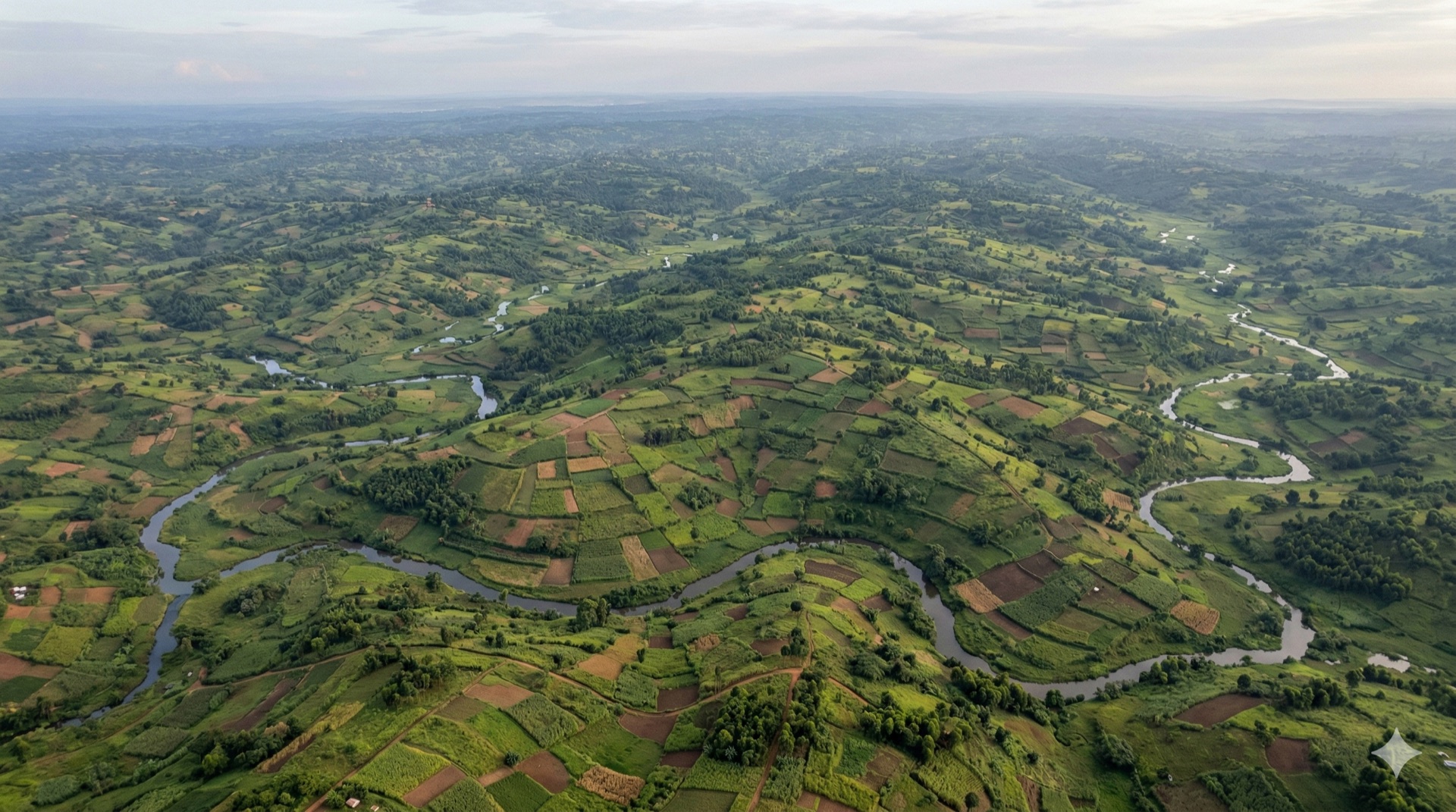
WWF’s Russell E. Train Education for Nature Program is offering a master’s fellowship on human-elephant conflict in Uganda. The fellow will study ways to reduce elephant crop-raiding on farmland along the northern boundary of Murchison Falls National Park, as part of a research team led by Dr Robert Montgomery of the University of Cumbria. It suits Ugandan biologists, ecologists, zoologists and geographers with some conservation experience who are about to start a master’s in Uganda. It is open to Ugandans only. Applications close on Tuesday 15 Dec 2026.
At a glance
- Offered by: WWF (US), Russell E. Train Education for Nature Program, with support from the Gerald A. & Karen A. Kolschowsky Foundation
- Award: up to USD 15,000 a year, for up to two years, for tuition and fees, living costs, books and materials, and research costs
- Research area: farmland along the northern border of Murchison Falls National Park, Uganda
- Who can apply: Ugandans starting a master’s at an accredited institution in Uganda
- Deadline: Tuesday 15 Dec 2026, 11:59 PM US Eastern Time (7:59 AM EAT, Wed 16 Dec)
What it offers
The fellowship pays for a master’s degree built around applied research on human-elephant conflict. Fellows can ask for up to USD 15,000 a year for up to two years; WWF sets the final amount according to the scope and needs of each proposal. The money can go on tuition and fees, living expenses, books and materials, and fieldwork. WWF wants research that looks for solutions where conservation, climate, people and development meet, that works with local communities and other partners, and that has measurable results. Selection runs from December 2026 to January 2027, and grants are issued in April 2027.
Who can apply
- Ugandan applicants only.
- A bachelor’s degree in a relevant subject, such as biology, ecology, conservation, zoology or geography.
- Enrolled in, admitted to, or applied to a master’s programme at an accredited institution in Uganda, and planning to start no later than January 2028.
- At least two years of conservation-related work, research or academic experience, and a clear commitment to a career in conservation.
- Current or former WWF staff or consultants, and past Education for Nature grantees, must contact the programme first to check whether they can apply.
How to apply
Apply on WWF’s Submittable application portal. Read the Uganda fellowship guidelines (PDF) first: applications are scored on your research proposal, your academic and professional record, the likely impact and partnerships of the work, and your recommendation letters. All materials must be in by Tuesday 15 Dec 2026 at 11:59 PM US Eastern Time (7:59 AM EAT on Wednesday 16 Dec). Questions go to the Education for Nature team at efn@wwfus.org.
Source: WWF’s call on its Submittable portal and its 2027 Uganda fellowship guidelines. WWF’s Russell E. Train Education for Nature Program has funded conservation study and research by local leaders for more than three decades. CEGER shares this call for its network and is not involved in selection.