
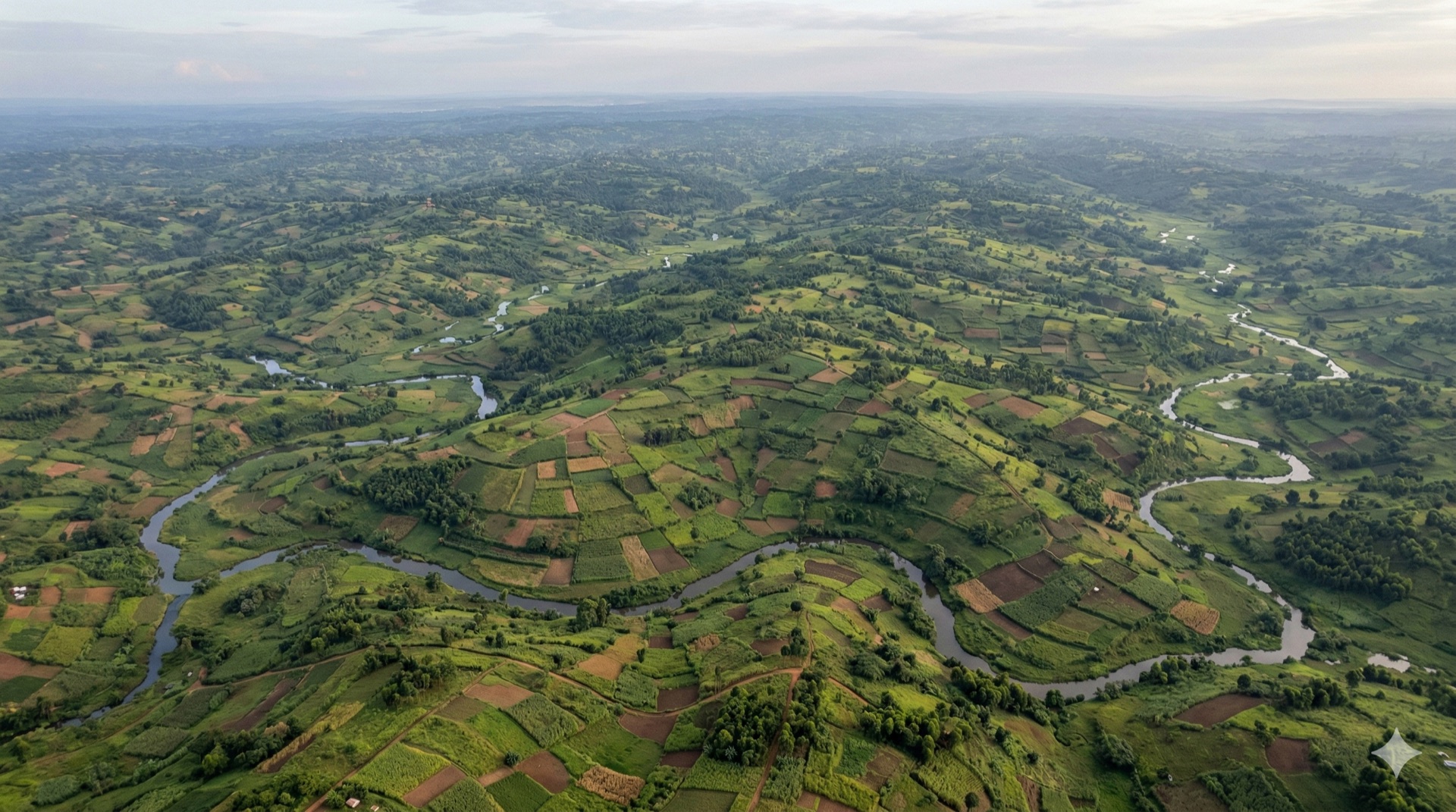
Hoffnungszeichen | Sign of Hope, a German organisation working in human rights, humanitarian assistance and development cooperation, has opened a tender for a feasibility study and a baseline study for ReSCALE, a planned programme on climate-resilient sanitation and food security for about 5,500 households in Kenya, Uganda and Rwanda. Germany’s Federal Ministry for Economic Cooperation and Development (BMZ) is the intended donor. It suits research and evaluation firms, and independent consultants, with multi-country experience in WASH, food security and climate resilience. Bids close on Friday 4 Dec 2026, 11:59 AM CET (1:59 PM EAT).
At a glance
- Issued by: Hoffnungszeichen | Sign of Hope e.V., Constance, Germany, with its local partners SOCADIDO (Uganda), Caritas Marsabit and MID-P (Kenya), and ARDE/Kubaho (Rwanda)
- Type and reference: open tender, consultancy services, DC-GP27.01; one contract for both studies (no lots)
- Where: Teso region and Soroti (Uganda), Marsabit and Isiolo (Kenya), and Kamonyi District (Rwanda)
- Effort and timing: about 25 working days for each study; the feasibility study runs from mid-December 2026 to February 2027, with field visits in January; the baseline study is planned for around June–July 2027
- Budget: not published; bids are priced in EUR
- Who can apply: consulting firms and self-employed consultants
- Questions: by Thursday 26 Nov 2026, 11:59 AM CET (1:59 PM EAT), to procurement@sign-of-hope.org
- Deadline: Friday 4 Dec 2026, 11:59 AM CET (1:59 PM EAT)
Scope of work
ReSCALE, planned for October 2027 to September 2031, would bring together safe sanitation and faecal sludge management, circular-economy solutions such as biological treatment and resource recovery from waste, nutrition and climate-resilient agriculture, alongside support to local institutions. Before the funding proposal goes to BMZ in early March 2027, Sign of Hope needs an independent check of the design, and before the programme starts, a set of baseline values to measure it against. Both studies go to one contractor because the second builds on the first.
- Feasibility study (a BMZ requirement, following the bengo guidelines): assess the context and needs in the three countries, the social, technical, financial, institutional and regulatory feasibility of the planned interventions, the partners’ capacities and the risks, applying the six OECD-DAC criteria ex ante; test the cross-country theory of change and indicators; and recommend improvements, with a report of no more than about 30 pages and a recommendation matrix.
- Baseline study: independent quantitative and qualitative data collection in the intervention areas, with a justified sampling strategy and harmonised tools, to set country and cross-country baseline values for the programme indicators; delivered with cleaned, anonymised datasets and full documentation of the indicators and methods.
- Methods are the bidder’s to propose: a mixed-methods design, with desk review, key informant interviews, focus group discussions and household surveys among the options the terms of reference name.
- Each study has its own inception report, draft and final reports, an English executive summary and an online presentation to the consortium. The contract can end after the feasibility study if its results are not satisfactory.
Who can apply
- Consulting firms and self-employed consultants, working alone or as a team
- At least three assignments of similar scope completed in the last five years, listed with client and budget, and two sample reports or extracts
- Proven expertise in WASH (especially sanitation and faecal sludge management), food security, climate resilience and monitoring and evaluation, and experience evaluating multi-country projects
- Eligibility documents: a valid business registration certificate; audited accounts for 2023, 2024 and 2025 (firms) or tax clearance certificates (self-employed consultants); and bank statements for August to October 2026
Eligible bids are scored on technical merit (60%: expertise 20%, methodology and sample size 10%, implementation plan 10%, interview 20%) and price (40%). Only bids reaching 70% of the technical score are priced. Shortlisted bidders are interviewed around 9–11 Dec 2026.
How to submit a proposal
Read the terms of reference (Annex A) and the feasibility assessment areas and guiding questions (Annex A2) on Sign of Hope’s file server. Then email your bid to procurement@sign-of-hope.org with the subject line “Feasibility & Baseline Study – ReSCALE (DC-GP27.01)”, by Friday 4 Dec 2026, 11:59 AM CET (1:59 PM EAT).
- Send three separate, password-protected PDF files, each named with your organisation’s name and the document type: eligibility documents, technical proposal and financial proposal.
- The technical proposal is limited to 15 pages, with a two-page profile, the team and their CVs, and an implementation plan with staff days and a Gantt chart as annexes.
- The financial proposal is in EUR, prices the feasibility study and the baseline study separately, and splits costs into staff, travel, material and equipment.
- Email the password to the same address after the deadline and no later than 12:30 PM CET (2:30 PM EAT) the same day. Bids must stay valid for four weeks; alternative bids are not accepted.
Questions go to the same address by 26 Nov 2026, 11:59 AM CET (1:59 PM EAT); Sign of Hope publishes its answers by 27 Nov 2026, 2:00 PM CET (4:00 PM EAT). The winning bidder signs Sign of Hope’s code of conduct and supplier declaration.
Source: Sign of Hope’s request for proposals on ReliefWeb, posted by Sign of Hope on 18 Nov 2026, and the terms of reference on Sign of Hope’s own server. Hoffnungszeichen | Sign of Hope e.V. is a Christian-motivated organisation for human rights, humanitarian assistance and development cooperation, based in Constance, Germany.