
A growing number of Uganda’s political exiles say they cannot safely come home. This brief looks at who has left, what the numbers can and cannot tell us, what their absence costs the country, and what would help.
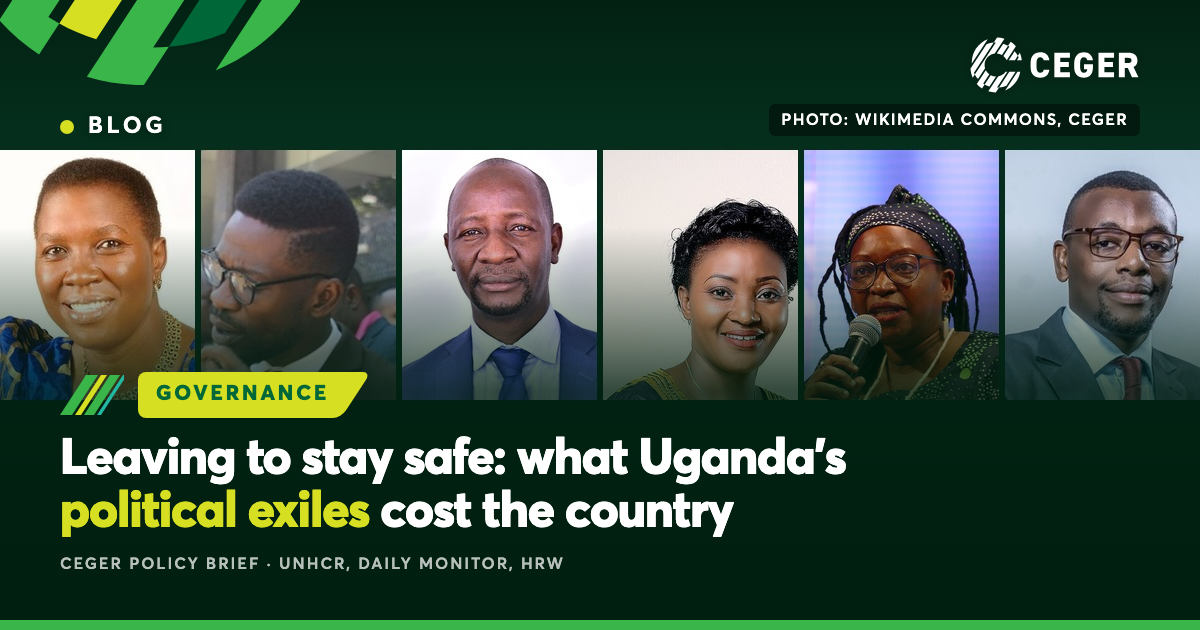
Salaamu Musumba has been in the United Kingdom for about three months. The veteran opposition politician, a former MP for Bugabula South and Spokesperson of the People’s Front for Freedom (PFF), told the Daily Monitor on 8 November that fear of abduction has kept her there. Her name features in the prosecution’s account of the treason case against Dr Kizza Besigye, though she has not been charged. “I intend to come home as soon as matters indicate safety, security and freedom,” she told the paper. Police spokesperson Kituuma Rusoke said: “I am not aware of her claims. If she reported the matter to any police station, share with me the police reference number.”
A week earlier she told a Uganda Law Society online discussion that “saving your life, you shouldn’t look at it as a point of weakness or as a point of shame” (The Independent).
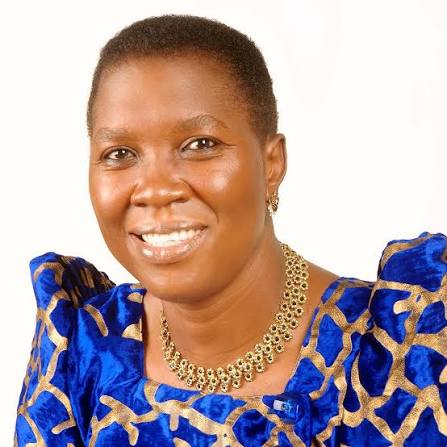
In late October, in Washington, Robert Kyagulanyi (Bobi Wine), president of the National Unity Platform (NUP), was on stage at the Atlantic Council’s inaugural Global Leadership Forum, in a session titled “Leading without a title” (the Council posted the video on 5 November).
Mr Kyagulanyi went into hiding after soldiers raided his home on 16 January 2026, the day after the presidential election (Human Rights Watch). In Washington he described that night: “I activated my James Bond mode and escaped from my own house and left because I knew it is me they wanted.” In mid-March he posted a video saying he had left the country “for some critical engagements outside Uganda” and would return “at the right time” (AP). He resurfaced in the United States on 18 March (The Conversation). The army chief, Gen Muhoozi Kainerugaba, had posted repeated threats against him; police said they were not looking for him.
Asked how he weighs the risks, he said “the consequences of silence are even worse” and “We are damned if we don’t. We are less damned if we do.” He also argued that Western democracies have grown complacent: “They prefer diplomacy to democracy. They prefer business to values.”
In other words, he says foreign governments and investors overlook repression. That is the opposite of the common warning that repression scares investors away. The evidence later in this brief suggests that both are partly true.
Who has left
Ms Musumba and Mr Kyagulanyi are not alone. Published reports document at least these other political exiles, some recent and some from earlier years:
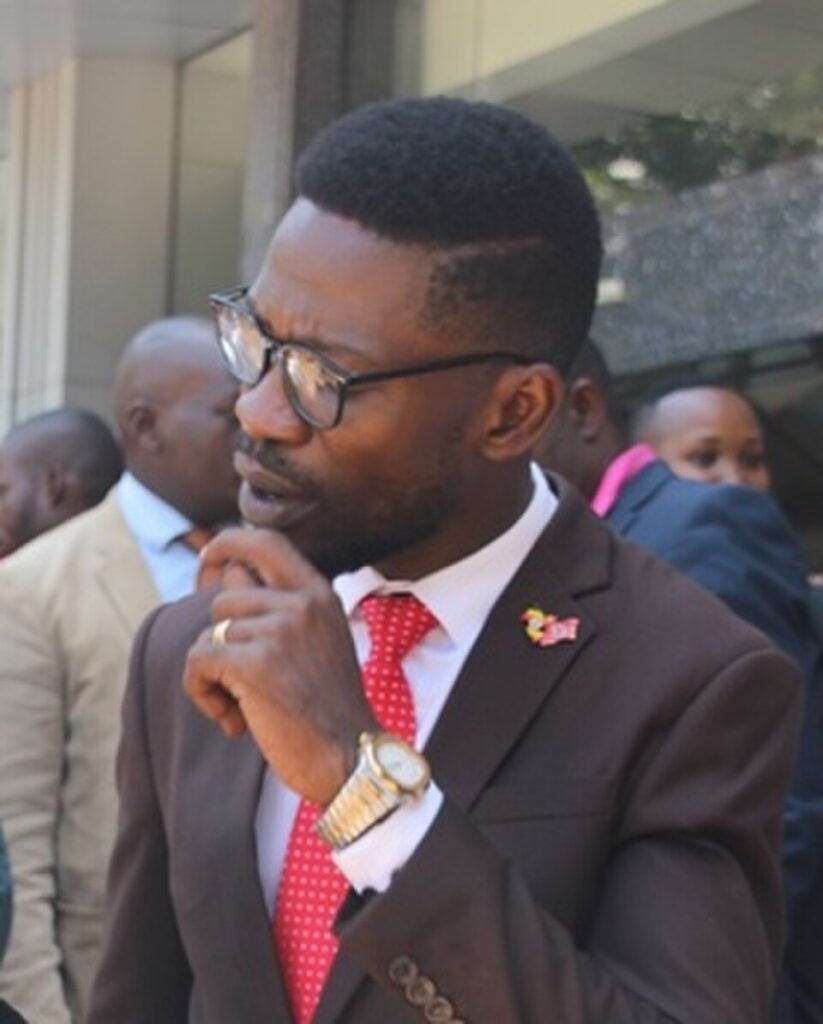
- Ibrahim Ssemujju Nganda, former Kira Municipality MP and PFF secretary general, whose name also features in the Besigye case, has stayed abroad since leaving on 17 June 2026, citing threats. He has not been charged. Asking himself whether to return, he told The Observer: “The question then was, am I useful while in prison or the basement, or when I’m free even if I’m not in the country?” He says he will come back (The Observer, 12 August; Monitor; NTV).
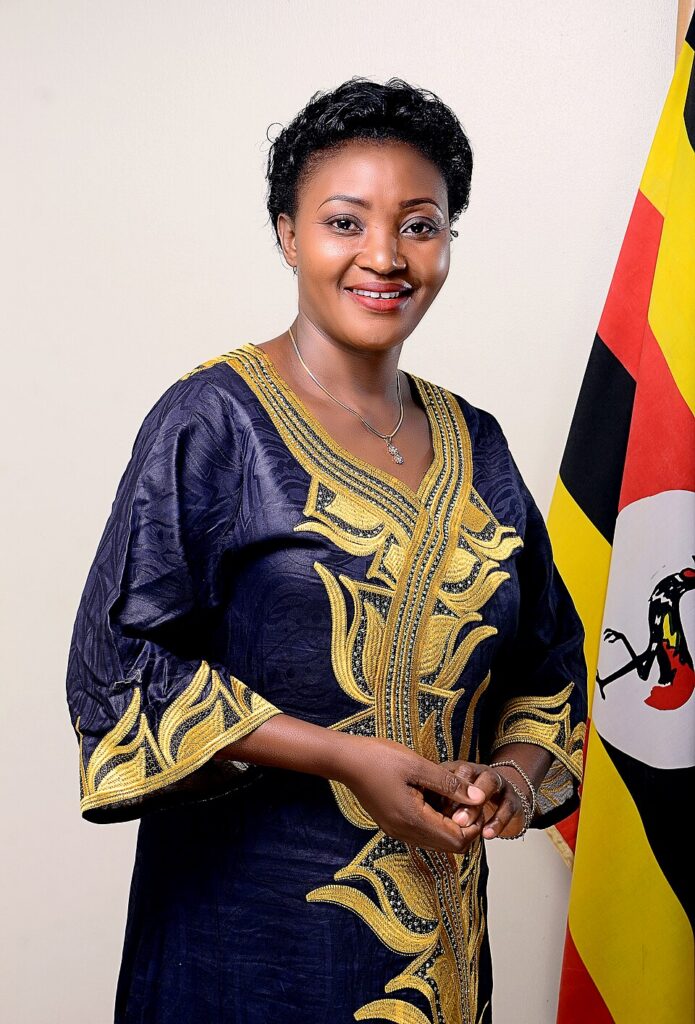
- Winnie Kiiza, former Leader of the Opposition in Parliament and former Kasese Woman MP, had been vocal after the detention of activist Miria Matembe. In August, when social media users asked her on X whether she had gone into exile, she replied: “Ignore” (ChimpReports, 10 August). Two days later The Observer reported that she had left the country, citing sources who said soldiers had been seen around her home. On 8 November the Monitor reported that she, too, is outside Uganda amid security concerns, though she is not an accused person in the Besigye case.
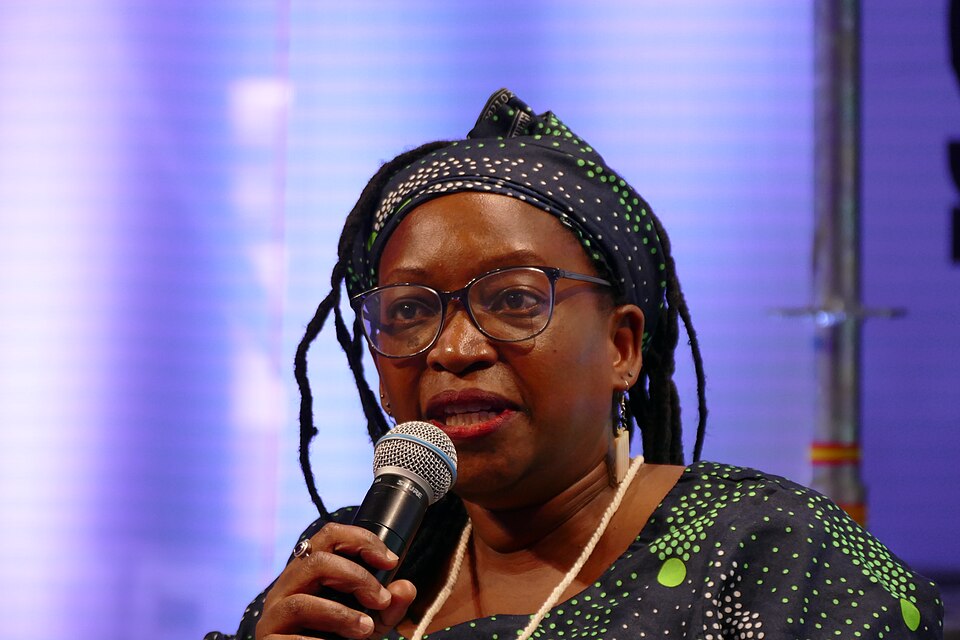
- Dr Stella Nyanzi, poet and former Makerere University research fellow, was convicted of cyber harassment in 2019 over a Facebook poem about President Museveni and his late mother, and sentenced to 18 months; the High Court overturned the conviction in February 2020 (Monitor; Monitor). She stood for Kampala Woman MP for the FDC in January 2021 and came third. Weeks later she fled to Kenya to seek asylum, saying her partner had been abducted and tortured (CNN). In January 2022 she left for Germany with her children, citing political persecution (Nile Post). In May 2025, after a trip home, she said the German embassy in Nairobi had at first refused to let her back; it then issued a new visa (Eastleigh Voice).

- Kakwenza Rukirabashaija, the novelist, left in February 2022 while on bail for “offensive communication” over tweets about the President and his son, crossing into Rwanda on foot and reaching Germany. He says he was tortured in custody; Gen Muhoozi denied the claims, posting: “I don’t know who this young boy is whom they say was beaten!” (Al Jazeera; Africanews).
Exile is not always permanent. Gen David Sejusa fled to London in 2013 after a letter alleging a plot against officials who opposed a succession plan, and returned in December 2014 (Al Jazeera; Monitor).
These departures sit alongside a wider pattern at home. The UN human rights chief, Volker Türk, said in July that reports of enforced disappearances, torture and arbitrary arrests had risen since the election. “The actions of the authorities are creating a climate of fear that is increasing self-censorship, further stifling public debate and deepening polarization,” he said (UN News). Human Rights Watch documented the seizure of critics by the military, including former Lord Mayor Erias Lukwago and NUP deputy president Muwanga Kivumbi in June and July (HRW via AllAfrica).
How many political exiles? What the data can and cannot say
There is no official count of political exiles. The closest proxy is UNHCR’s count of Ugandan refugees abroad. Over the last ten years it doubled, from about 6,200 at the end of 2016 to 12,800 at the end of 2025, and most of that rise came in the last two years. The number grew by about a third over the seven years to 2023, then by 24 per cent in 2024 and 23 per cent in 2025, the two largest yearly rises of the decade. New asylum applications by Ugandans peaked at 7,700 in 2023 (UNHCR Refugee Data Finder).
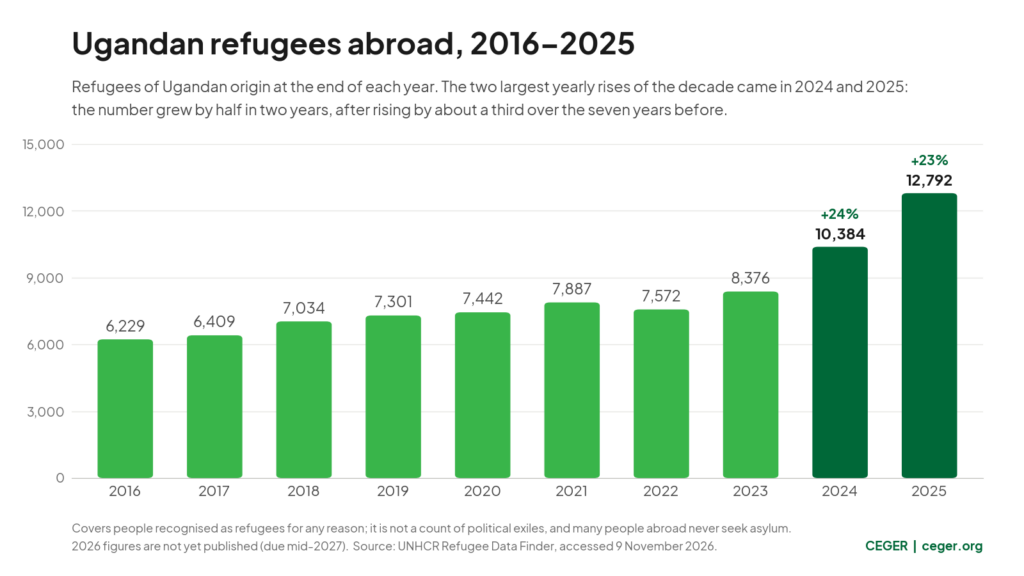
Three cautions. These figures cover everyone who seeks protection, for any reason; the 2023 peak in asylum applications, mostly in Canada, coincided with the Anti-Homosexuality Act, though the data do not record reasons. The 2026 departures are not yet counted. And many prominent people abroad never apply for asylum. The numbers point one way, but they do not measure political exile.
Effect one: losing experience
The brain drain caused by political exiles is small in numbers but concentrated. Those who leave are often among the most experienced people in public life: former MPs, a former Leader of the Opposition, party leaders, writers and academics. That institutional memory is hard to replace, whichever side of politics it sits on.
The larger effect may be on those who stay. Mr Türk warned of rising self-censorship. When journalists, researchers and lawyers see colleagues leave, some may stop asking hard questions. Ms Musumba described the isolation of being named in a case: people “fear to call you lest their number is found on yours and linked with you.” Policy is weaker when fewer people scrutinise it.
We should be honest about scale. Political exile is a small stream within wider emigration, much of it for work, and we found no study that measures its economic cost.
Effect two: reputation, investors and tourists
Here the evidence is mixed, and some of it cuts the other way.
Investment has risen. Foreign direct investment reached about US$3.4 billion in 2025, making Uganda one of the leading recipients among Africa’s least developed countries, supported by oil refining and battery storage, according to UNCTAD’s World Investment Report 2026. So far, the large oil-linked investors do not appear to have been deterred.
Rating agencies mention governance, but focus on debt and growth. Fitch, affirming Uganda at B (stable) in August, said the rating is constrained by “weak governance” among other factors, and that “issues around succession invite the prospect of political uncertainty and policy discontinuity” (Market Forces Africa). But S&P’s move to a stable outlook on 6 November cited slower growth, delayed oil and borrowing costs, not politics (CEO East Africa).
The clearest financial link is indirect. When the World Bank paused new lending in August 2023 over the Anti-Homosexuality Act, Moody’s cited that pause when it downgraded Uganda to B3 in May 2024, warning that it would push the government towards costlier borrowing (Business Times Uganda). The Bank resumed lending in 2025. This shows that a rights decision can raise the cost of money, but it concerned a law, not exiles.
Tourism is resilient, but not immune. Tourist arrivals grew from about 1.4 million in 2024 to 1.6 million in 2025 (UBOS data via Trading Economics). Entebbe’s international arrivals fell 7.9 per cent in early 2026, which the Civil Aviation Authority partly blamed on the Middle East conflict (UBC).
Travel warnings now cite unrest, not only Ebola. The United States raised Uganda to its highest warning, Level 4 “Do Not Travel”, in May 2026 because of the Ebola outbreak (Citizen Digital). The advisory it reissued on 4 June 2026 kept Level 4 and names four risks: crime, health, terrorism and unrest. It warns that protests “can occur with little or no warning”, especially around political issues and elections (US Embassy Kampala).
Uganda’s Ministry of Health declared the outbreak over on 28 July, yet on 9 November 2026 the State Department again listed Uganda among its Level 4 countries, alongside Somalia, South Sudan and Afghanistan (Citizen Digital; MBU). We found no public response from the Ugandan government to the November listing.
Politics has hurt tourism before. After the violence around the 2018 Arua by-election, tour operators reported cancellations and refunds, while the Uganda Tourism Board insisted “Uganda is very safe” (The Independent).
The fair conclusion: there is no evidence yet that political exiles have reduced investment. The risk is slower: a reputation that raises borrowing costs, narrows the pool of willing investors and leaves tourism exposed to the next crisis.
What would help
- Clarity for people named in cases. Where prosecutors name people who are not charged, the state should either summon them to record a statement or say clearly that they are not suspects. Uncertainty itself drives people abroad.
- Visible accountability for abuses. Credible, public investigation of alleged abductions and torture, as the UN has urged, would do more for Uganda’s image than any marketing campaign.
- A safe-return path. The Sejusa case shows that negotiated returns are possible. A transparent mechanism, with legal guarantees, would let skilled Ugandans come home.
- Better data. UBOS and the Ministry of Internal Affairs could work with UNHCR to publish reasons for departure, so debate rests on numbers, not anecdotes.
- Engagement from those abroad. Exiled professionals can keep contributing through research, teaching and diaspora investment; those channels should stay open.
This brief is based on published sources as of 11 November 2026. The situations of named individuals are as they or the cited sources describe them. CEGER is non-partisan. For our work on governance, see our Governance focus area and Policy Analysis & Advocacy services.
Sources
Online sources were accessed between 9 and 11 November 2026. Links in the text point to the same sources.
- Sam Caleb Opio and Tausi Nakato, Daily Monitor. Fear of abduction has kept me in UK for three months – Salaamu Musumba. 8 November 2026.
- The Independent (URN). Salaamu Musumba speaks out, not returning home soon. 2 November 2026.
- NTV Akawungeezi. Salaamu Musumba ayogedde lwaki yeetegula eggwanga, NRM eyanukudde (video, Luganda). 8 November 2026.
- Atlantic Council. Leading without a title: Bobi Wine on building a people’s movement (video, 2026 Global Leadership Forum; agenda). 5 November 2026.
- Associated Press. Opposition leader Bobi Wine says he left Uganda after going into hiding after disputed election. 14 March 2026.
- Kristof Titeca, The Conversation. Bobi Wine’s decision to flee Uganda points to a shrinking landscape for opposition politics. 1 April 2026.
- Human Rights Watch. Uganda: Post-Election Assault on Political Opposition. 28 January 2026.
- Human Rights Watch. Uganda: Military Seizing Government Critics (via AllAfrica). 16 July 2026.
- UN News. Fear grows as freedoms shrink in Uganda. 30 July 2026.
- NTV Uganda. Ssemujju explains why he chose to stay abroad. c. August 2026.
- The Observer. Why key opposition figures fled Uganda. 12 August 2026.
- ChimpReports. “Ignore,” says Winnie Kiiza as reports emerge she’s fled the country. 10 August 2026.
- Daily Monitor. Dr Nyanzi sentenced to 18 months in jail. 2 August 2019.
- OkayAfrica. Ugandan activist Stella Nyanzi found guilty of cyber harassment against President Museveni. 2 August 2019.
- Daily Monitor. What next for Dr Stella Nyanzi after losing Kampala Woman MP race?. 2 February 2021.
- CNN (via ABC17). Alleging her partner was abducted and tortured, Ugandan activist Stella Nyanzi flees to Kenya. 8 February 2021.
- Nile Post. Who is after Dr Stella Nyanzi? Political activist flees to Germany citing political persecution… again. 20 January 2022.
- Eastleigh Voice. Uganda activist Nyanzi returns to Germany after Nairobi standoff. 28 May 2025.
- Al Jazeera. ‘Tortured’ Ugandan author Rukirabashaija arrives in Germany. 23 February 2022.
- Al Jazeera. Uganda: Court issues warrant for author in exile in Germany. 24 March 2022.
- Africanews. Author who fled Uganda after “torture” arrives in Germany. 23 February 2022.
- Al Jazeera. Reports say Ugandan general hiding in London. 27 May 2013.
- Daily Monitor. Tracing Gen David Sejusa’s exit and return. n.d.
- UNHCR. Refugee Data Finder (population and asylum data, country of origin Uganda, 2010–2025). Accessed 9 November 2026.
- UNCTAD. World Investment Report 2026: Regional trends, Africa. 2026.
- Market Forces Africa. Fitch affirms Uganda at ‘B’. 9 August 2026.
- CEO East Africa. S&P withdraws positive outlook on Uganda’s credit rating. 8 November 2026.
- Business Times Uganda. Uganda’s local and foreign currency downgraded – Moody’s Ratings. 22 May 2024.
- Africanews. World Bank resumes Uganda loans after anti-gay law freeze. 6 June 2025.
- Citizen Digital. US warns citizens against travelling to Uganda, DRC, South Sudan over Ebola outbreak. May 2026.
- US Embassy Kampala. Travel Advisory: Uganda (June 2026). 4 June 2026.
- Citizen Digital. US lists Uganda among world’s most dangerous destinations. 10 November 2026.
- MBU. US retains Uganda under highest Level 4 travel warning. 10 November 2026.
- Trading Economics. Uganda tourist arrivals (UBOS data). n.d.
- UBC. International passenger, cargo traffic drop at Entebbe in Q1 2026. 20 April 2026.
- The Independent. Bobi Wine protests hit Uganda’s tour operators hard. 18 September 2018.
- UK FCDO. Uganda travel advice: safety and security. n.d.
Cite this brief: Centre for Governance and Environmental Research (CEGER). 2026. Leaving to Stay Safe: What Uganda’s Political Exiles Cost the Country. CEGER blog, Kampala. https://ceger.org/blog/uganda-political-exiles/

Leave a comment